
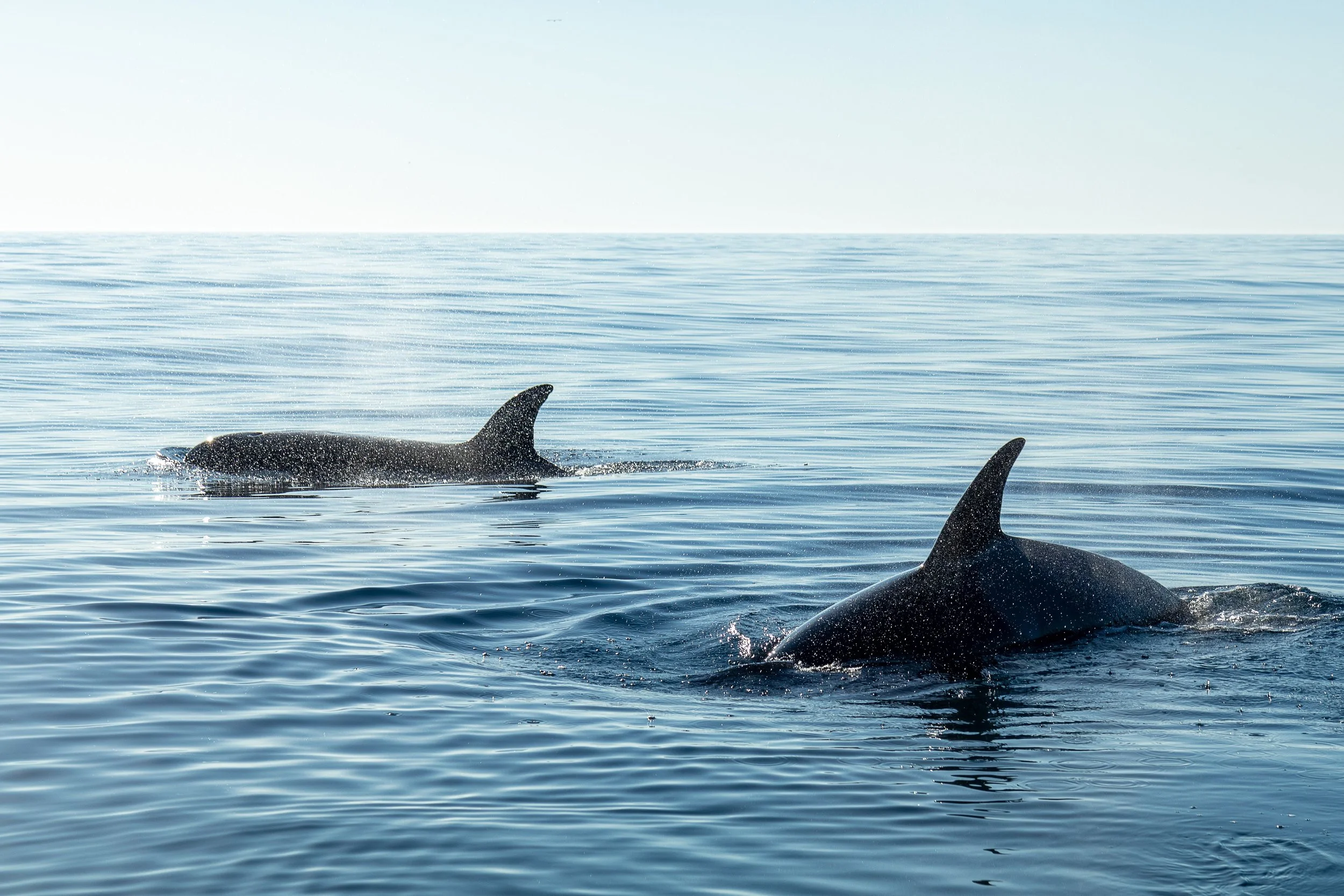
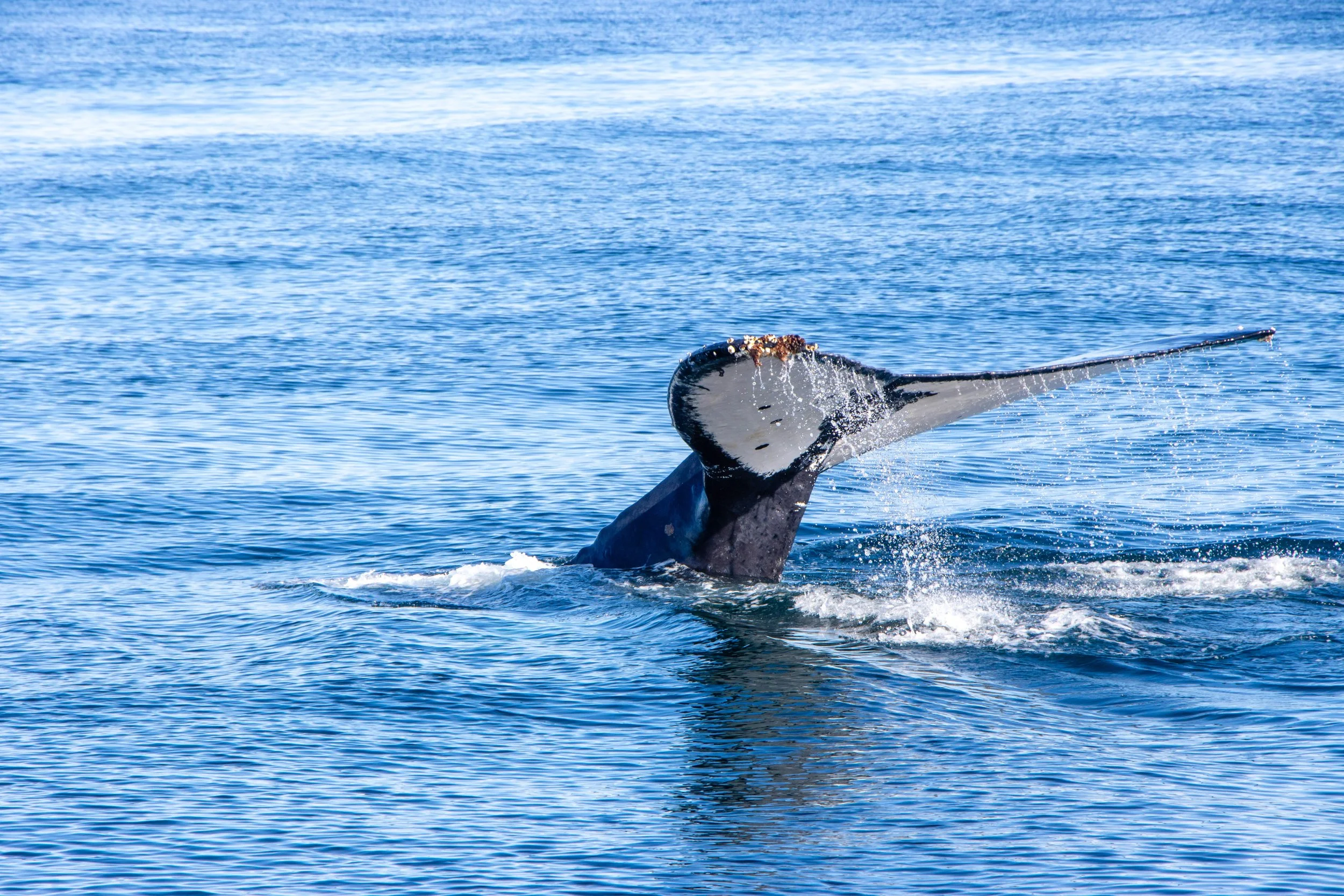
WHALE WATCHING TOURS
3-Hour Whale & Dolphin Watching Tour.
Departs from San Remo Jetty.
Offers a chance to spot Whales, Dolphins, Seals & Bird Life along the stunning Phillip Island coast line (sightings not gaurenteed)
Tours operate 7 days per week from June - August, depending on demand.
Complimentary light snack and refreshments (tea, coffee, water)
$110 per person
BEFORE YOU BOOK:
In the open waters of Bass Strait some passengers experience sea-sickness. If you experience motion sickness, or are unsure, we recommend that you take motion sickness medication. Please consult your pharmacist.
Please read the frequently ask questions section before booking. You will need to read and acknowledge our terms and conditions before checkout.
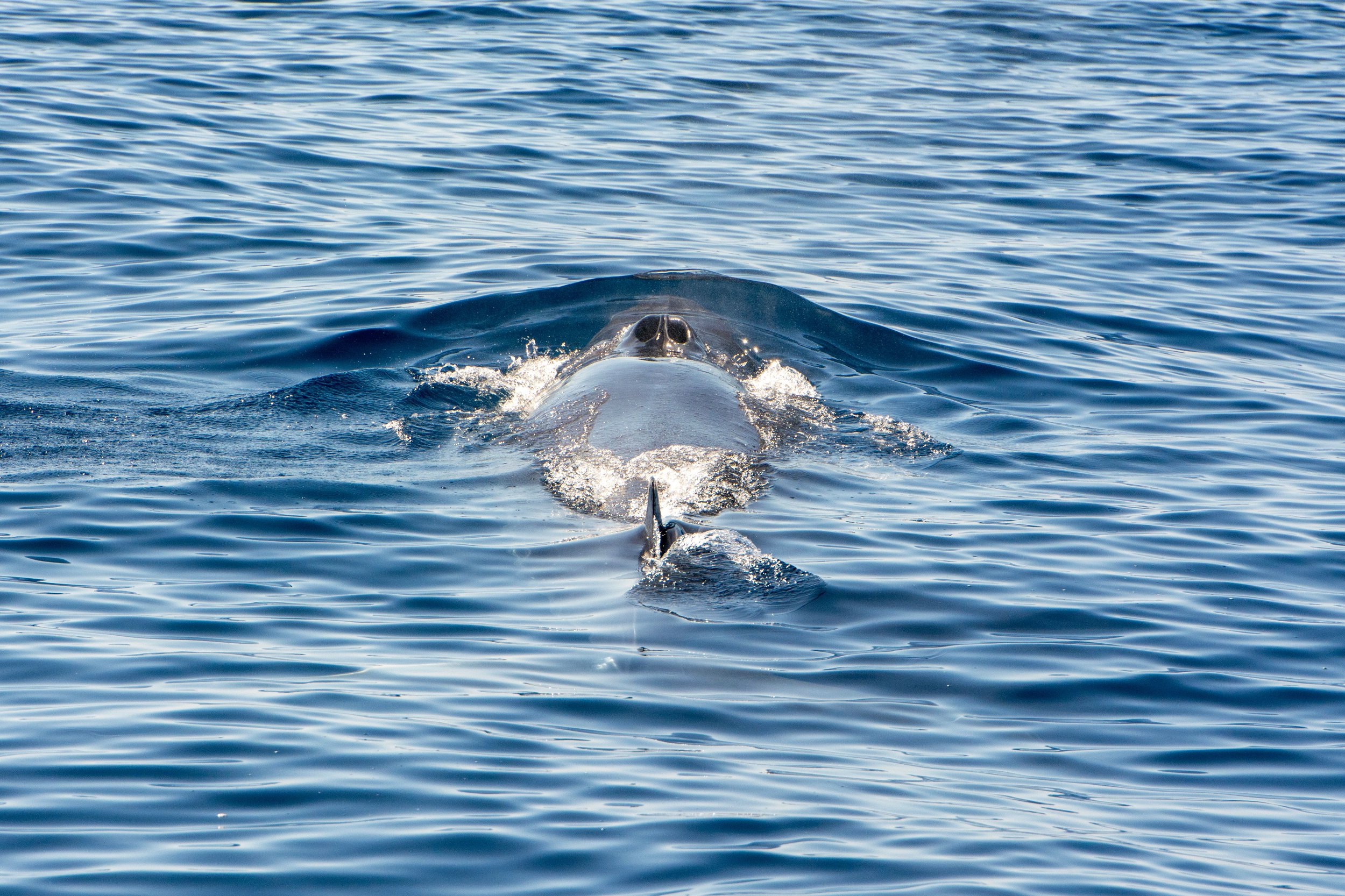
PRIVATE GROUP TOURS
You choose the duration of your tour (minimum 3 hours)
Departs from San Remo Jetty, or Rhyll by negotiation.
Offers a chance to spot Whales, Dolphins, Seals & Bird Life along the stunning Phillip Island coast line (sightings not gaurenteed)
Tours operate 7 days per week from June - August, depending on demand.
Complimentary light snack and refreshments (tea, coffee, water) or sausage sizzle (your choice).
Prices will be quoted on request depending on your requirements
BEFORE YOU BOOK:
In the open waters of Bass Strait some passengers experience sea-sickness. If you experience motion sickness, or are unsure, we recommend that you take motion sickness medication. Please consult your pharmacist.
Please read the frequently ask questions section before booking. You will need to read and acknowledge our terms and conditions before checkout.
MARINE MAMMALS GUIDE
AMAZING CREATURES THAT YOU MAY ENCOUNTER DURING THE TOUR
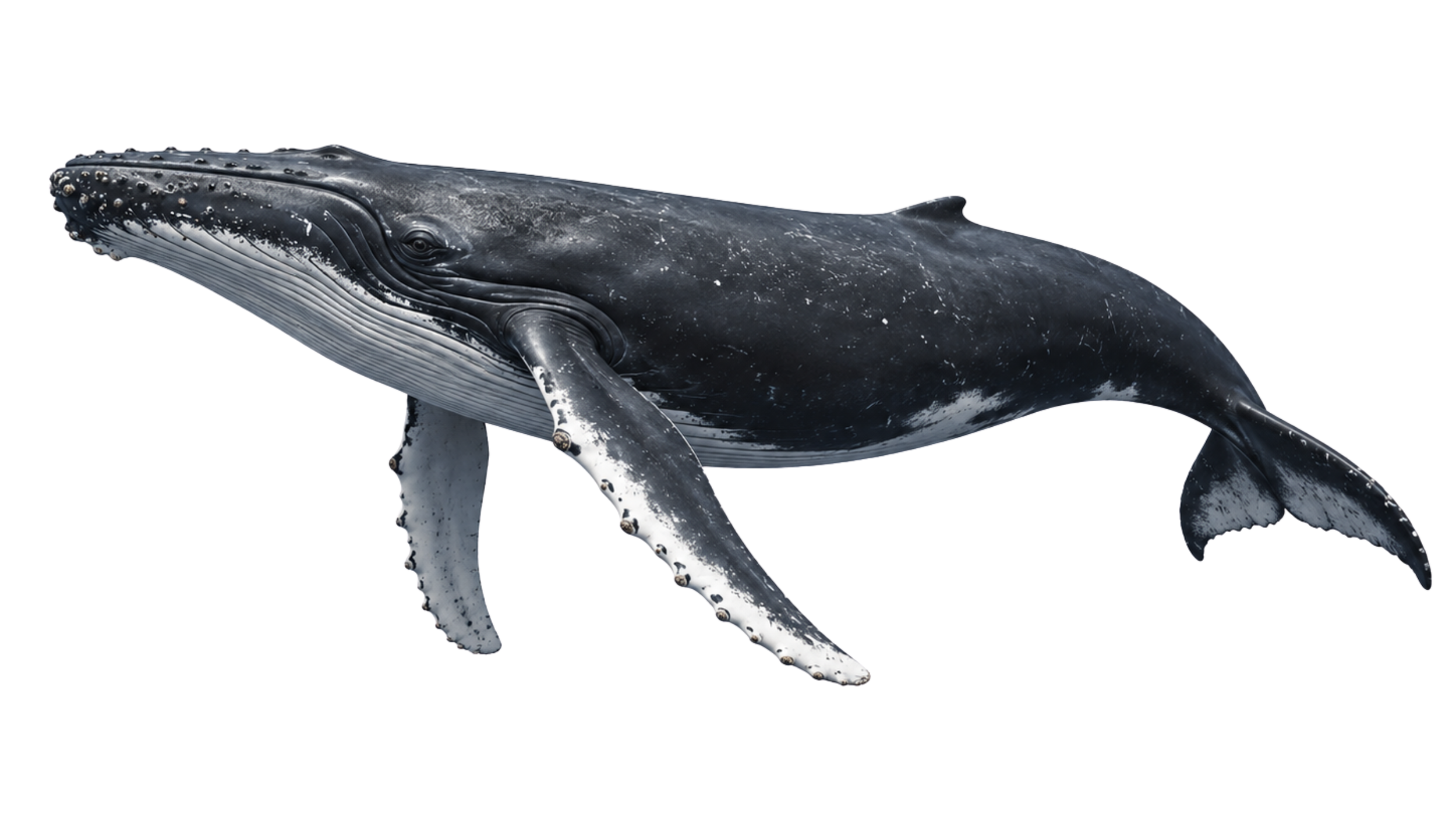
humpback whales
The humpback whale is one of the most recognisable large whales, known for its long pectoral fins, knobbly head and powerful tail flukes. Adults can grow up to a maximum length of 18 metres long and weigh up to around 40 tonnes. Their bodies are usually dark above with paler markings on the belly, flippers and underside of the tail.
Humpback whale flukes are especially important for identification. The underside of each tail has a unique pattern of black and white markings, scars and edge shapes, much like a natural fingerprint. These patterns allow researchers to identify individual whales over many years.
Humpbacks are found in oceans around the world and are famous for their long seasonal migrations.
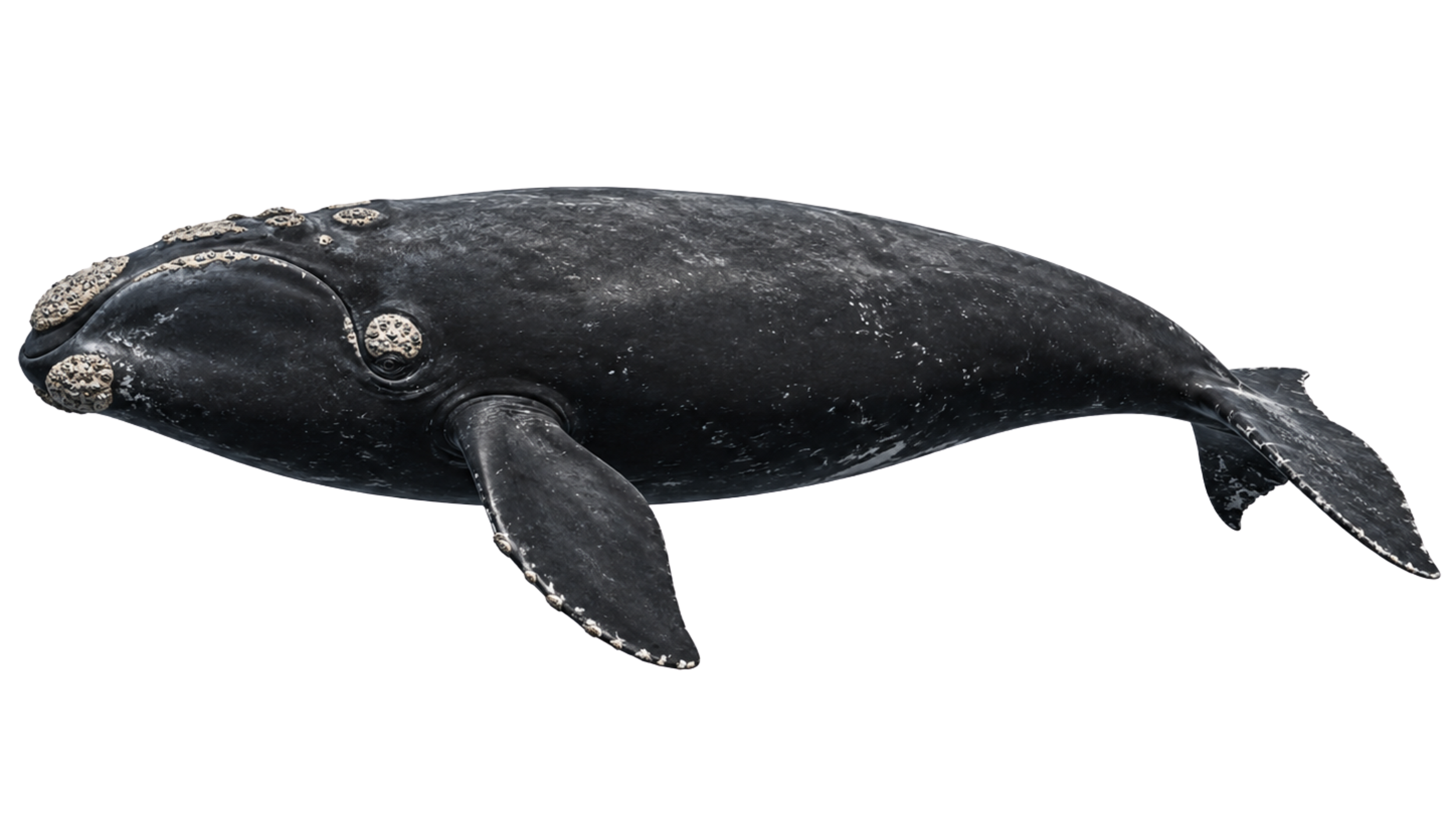
SOUTHERN RIGHT WHALES
The Southern right whale is a large baleen whale with a broad, rounded body, paddle-shaped flippers and no dorsal fin. Adults commonly grow up to around 18 meters long and can weigh up to about 80 tonnes. One of the species’ most distinctive features is the pale, rough callosities on the head, which form unique patterns and help identify individual whales.
Their tail flukes are broad and powerful, but researchers more often rely on head callosity patterns, scars and body features for individual identification.
Southern right whales live mainly in southern and sub-Antarctic waters. During the cooler months, they migrate toward warmer temperate coastal waters around southern Australia to calve. In Australia, they are often associated with sheltered bays and coastal waters, where mothers and calves may remain for extended periods before returning to richer southern feeding grounds.
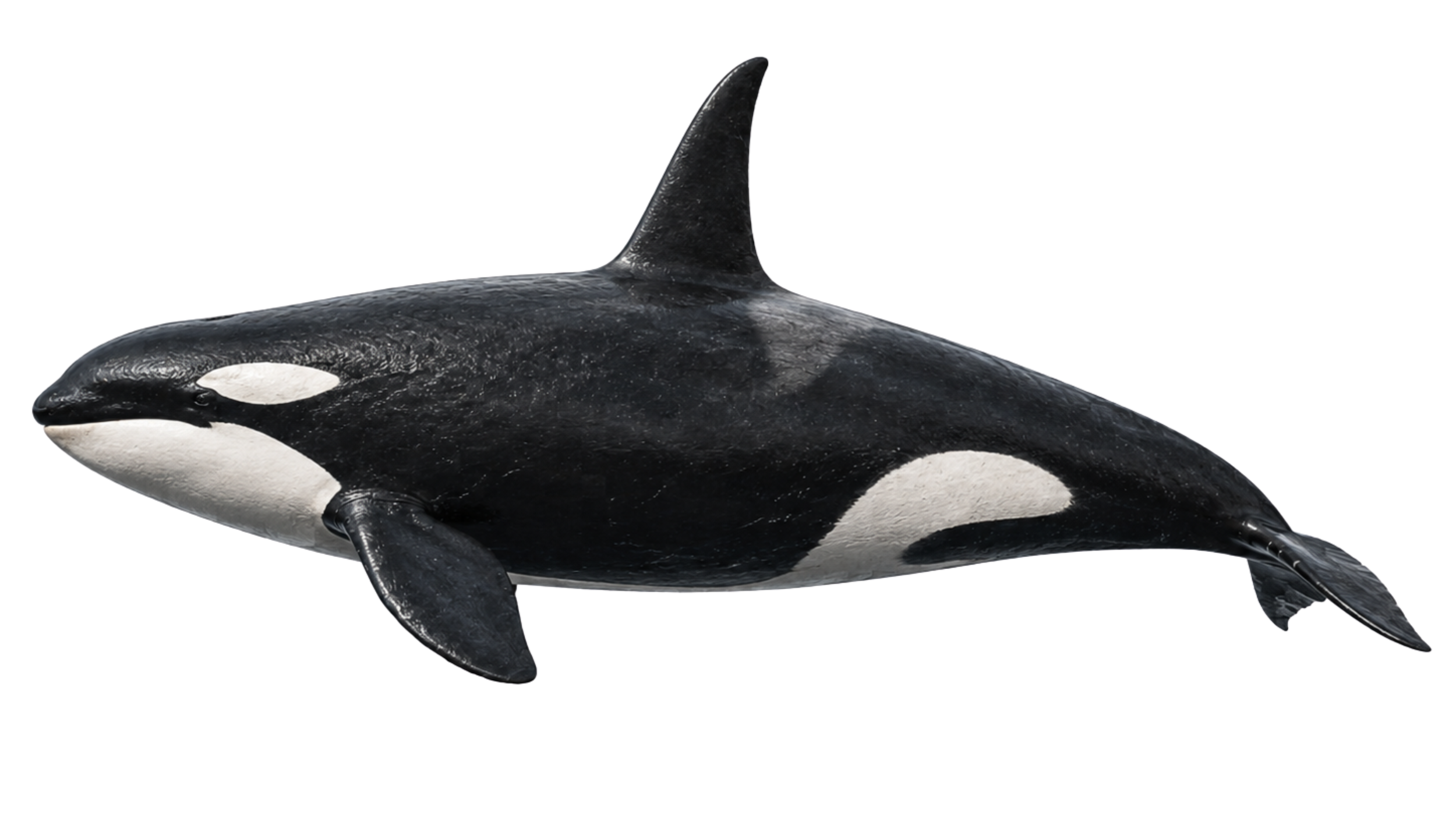
ORCAS - kILLER WHALES
The orca, also known as the killer whale, is the largest member of the dolphin family. Large males can grow up to around 10 metres long and weigh up to about 5.5 tonnes. Orcas are immediately recognisable by their black upper body, white underside, white eye patch and pale saddle patch behind the dorsal fin.
Killer Whales hunt in groups when they are chasing larger prey. They eat fish, squid, sea birds, seals and small whales.
Orcas, like all marine mammals are protected in Victoria.
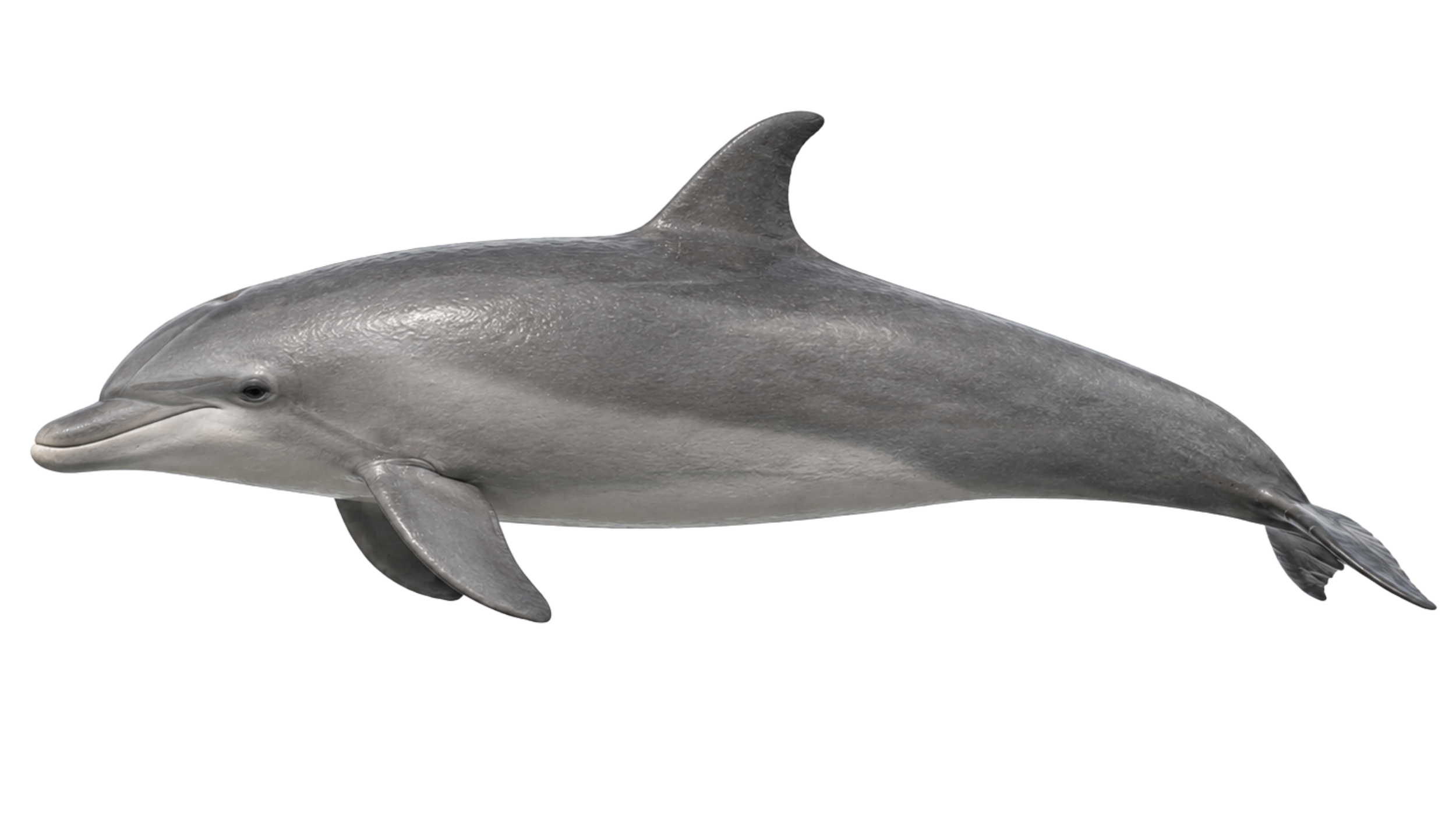
bottle nose dolphin
The bottlenose dolphin is one of the best-known dolphin species, recognised by its short rounded snout, smooth grey body and gently curved dorsal fin. Adults vary in size depending on the population, but many grow between about 2 and 3 metres long. Larger common bottlenose dolphins can weigh up to 650kg.
Researchers often identify individuals by the dorsal fin, which may carry unique nicks, scars or shape differences. Their tail flukes are strong and flexible, helping them accelerate, turn and leap at the surface.
Bottlenose dolphins are found in temperate and tropical waters around the world, including coastal waters around Australia. They may live in bays, estuaries, harbours, coastal zones and offshore waters. Some groups maintain local home ranges, while others move more widely in response to prey, seasons and ocean conditions.
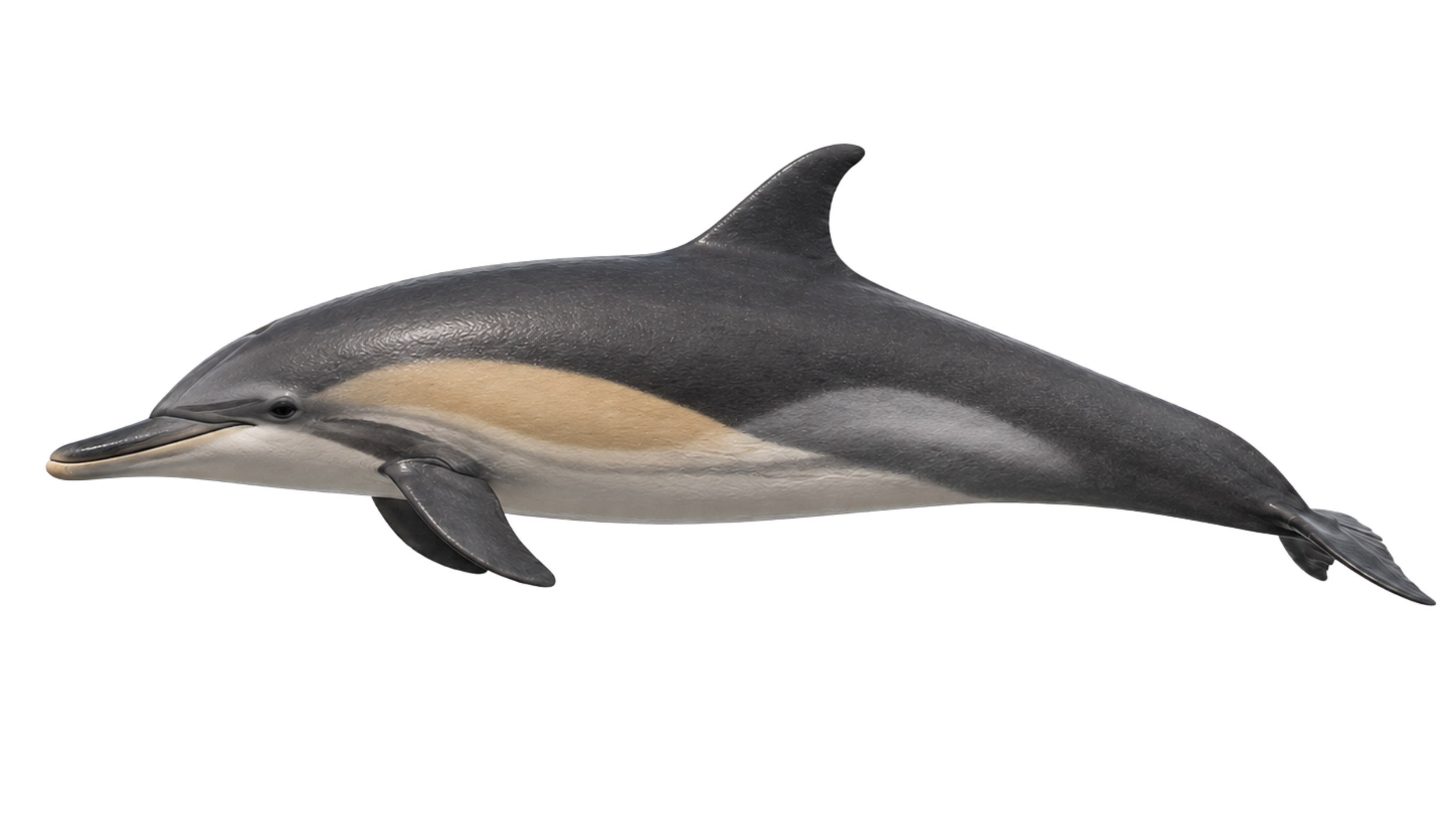
common dolphin
The common dolphin is a fast, slender and highly social dolphin with a long beak and striking body markings. Adults are usually smaller than bottlenose dolphins, often around 2 metres long, with a weight up to 110kg.
The common dolphin’s most recognisable feature is its hourglass flank pattern. The body usually has a dark back, pale belly, yellow or buff colouring toward the front flank and grey colouring toward the rear. Like other dolphins, common dolphins are more often identified by dorsal fin shape, scars and body markings than by fluke patterns alone.
In southern Australia and other parts of their range, their movements can vary with seasonal prey availability, ocean temperature and productive feeding areas rather than following a single fixed migration route.
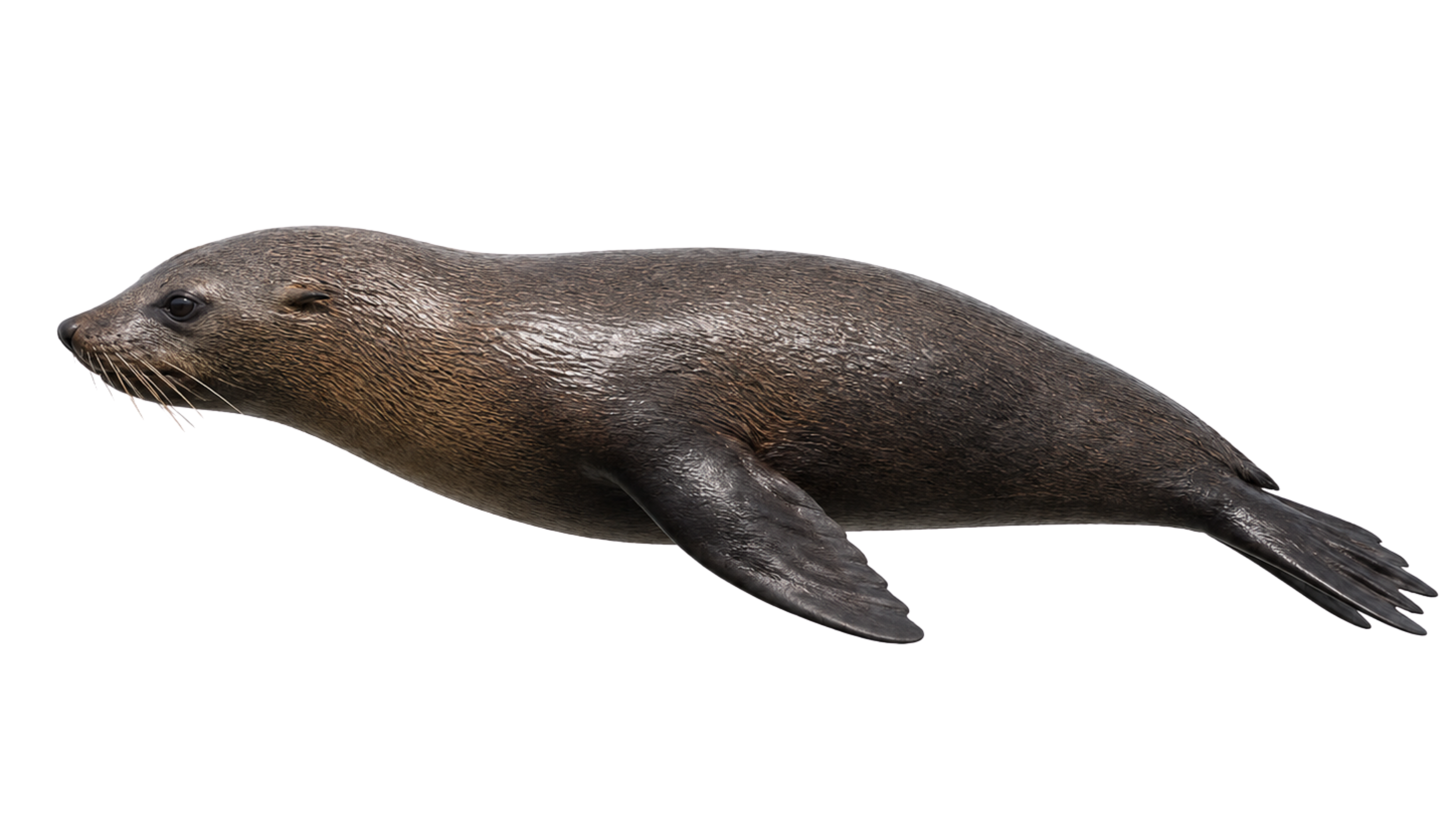
australian fur seals
The Australian fur seal is the largest fur seal found in Australian waters. Adult males are much larger than females, growing to around 2 to 2.5 metres long. Adult females are smaller, usually around 1.25 to 1.5 metres long. Large male Australian Fur Seals can weigh over 300kg.
Australian Fur Seals have strong fore flippers and rear flippers, which they use for swimming, steering and moving across rocky breeding areas. They also have visible external ear flaps, long whiskers, large dark eyes and thick brown fur that appears sleek when wet.
This species is found mainly in southern Australian waters, especially around Bass Strait. Seal Rocks off Phillip Island is an important breeding and haul-out area. Australian fur seals do not undertake the same long-distance migrations as humpback whales; instead, they travel from breeding and resting sites to forage for fish, squid and octopus in surrounding marine waters.